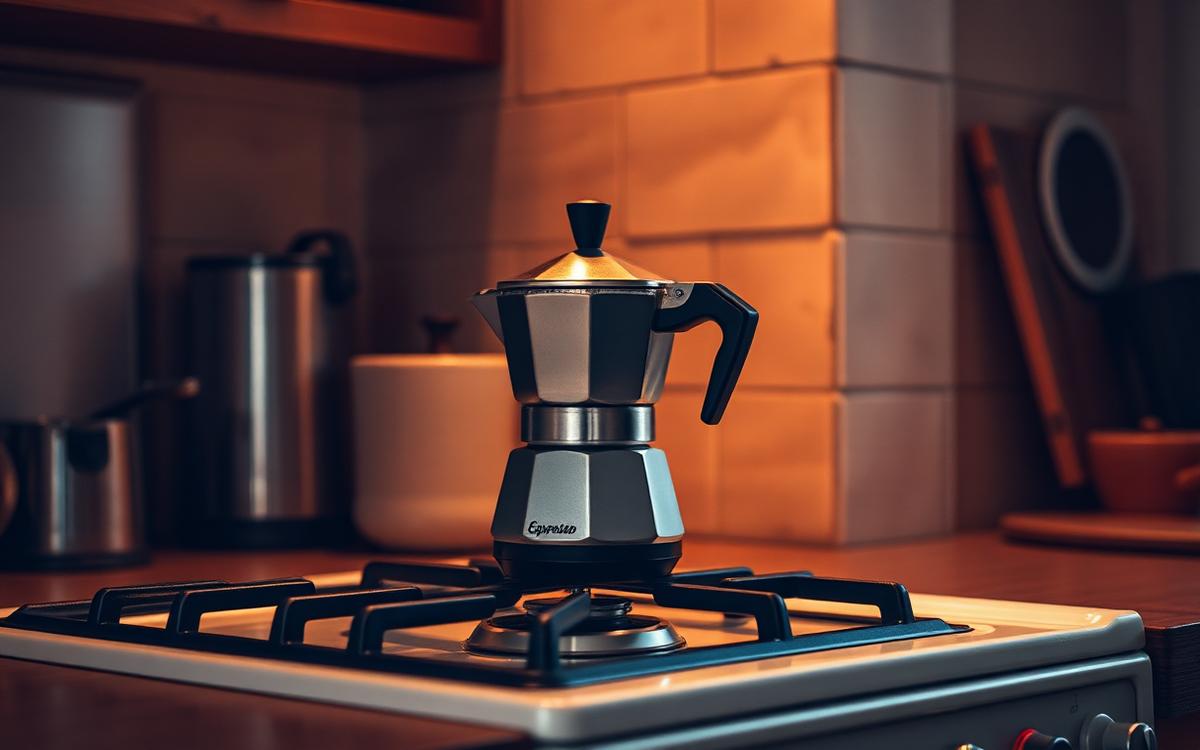
The moka pot has brewed most of Italy's home coffee since 1933, and it is routinely dismissed by specialty drinkers as a bitterness machine. That reputation is earned but not inevitable. The device is simple physics: heat the sealed lower chamber, the trapped air and steam expand, and the pressure pushes water up through the coffee bed and out of the spout. Understand the pressure curve and you can steer it.
It is not espresso
A moka pot reaches somewhere between 1 and 2 bar. Espresso runs at 9. The result is a strong, syrupy coffee closer to a very concentrated filter brew than to a true espresso — no persistent crema, less emulsified oil, but plenty of body and intensity. Judging it against espresso guarantees disappointment; judging it as its own category makes it one of the best value brewers in existence.
Where the bitterness comes from
Two sources. First, temperature: if you fill the base with cold water and put it on high heat, by the time steam pressure builds the water is at or above boiling and the metal is hotter still. Water that hot scalds the grounds and strips harsh compounds immediately. Second, the end of the extraction: once the water runs out, steam blasts through the exhausted puck and drags bitter, ashy flavours into the pot. Both problems are solved by managing heat.
Fill the base with water that is already hot. The pot reaches pressure sooner, so the coffee sees far less time against scalding metal.
The method
- Boil a kettle and fill the lower chamber with hot water up to just below the safety valve.
- Fill the basket with a medium-fine grind — coarser than espresso, finer than filter. Level it with a finger. Do not tamp.
- Assemble quickly using a towel, since the base is now hot.
- Set the hob to medium-low. High heat is the enemy.
- Leave the lid open and watch. Coffee should emerge as a slow, honey-coloured stream, not a violent sputter.
- When the colour turns pale and you hear the gurgle, take it off the heat and run the base under a cold tap to kill the pressure.
- Stir the pot before pouring — the first and last liquid differ significantly in strength.
Grind size is a pressure valve
Because there is no adjustable pump, the grind determines the resistance and therefore the pressure the pot builds. Too fine and pressure spikes, the safety valve may weep, and the coffee comes out bitter and unevenly extracted. Too coarse and water rushes through with barely any resistance, giving a weak, sour brew. A grind resembling fine table salt is the target for most pots, with smaller three-cup pots preferring slightly finer than large ones.
Never tamp. Tamping adds resistance the design never anticipated and is a genuine way to trigger the safety valve.
Dose and ratio
The basket sets the dose: fill it level, always. A standard three-cup pot holds around 17 g of coffee and yields about 130 ml of brew, roughly 1:7. You do not adjust the ratio inside the pot — you adjust it in the cup, by drinking it neat, lengthening it with hot water for an americano, or cutting it with steamed milk.
Aluminium versus steel
Traditional aluminium pots conduct heat quickly and evenly, which suits the low-and-slow approach. They should never go in a dishwasher: detergent strips the protective oxide layer and leaves a metallic taste for weeks. Rinse with hot water, wipe dry, and leave disassembled. Stainless steel works on induction hobs and tolerates dishwashers, but heats less evenly, so watch it more closely.
Maintenance that matters
The rubber gasket hardens over about a year of regular use and stops sealing, which reduces pressure and produces weak, slow brews. Replace it annually — they cost almost nothing. Check the filter plate holes are clear, and make sure the safety valve is not blocked by scale. If you live somewhere with hard water, descale the chamber occasionally, and consider using filtered water for both flavour and longevity.
Roast choice
Medium and medium-dark roasts are the classic pairing: the concentrated brew flatters chocolate, caramel and toasted-nut flavours. Very light roasts often taste sour and underdeveloped through a moka pot because the brewer cannot compensate for a dense, hard bean the way nine-bar pressure can. If light roasts are what you drink, save them for filter and keep something rounder in the cupboard for the stovetop.
Serving suggestions
Italians drink it neat in small cups, often with a spoon of sugar that softens the intensity and brings out chocolate notes. Diluted with hot water at roughly one part coffee to two parts water it makes a convincing americano. With steamed milk it makes a very good home cappuccino — the concentration is high enough to survive dilution, which is exactly why the pot has outlasted every gadget that tried to replace it. Whatever you make, pour promptly: moka coffee left sitting on residual heat in the upper chamber turns bitter within a couple of minutes, so decant it into cups or a warmed jug as soon as it is off the hob.