Showing all 20 articles
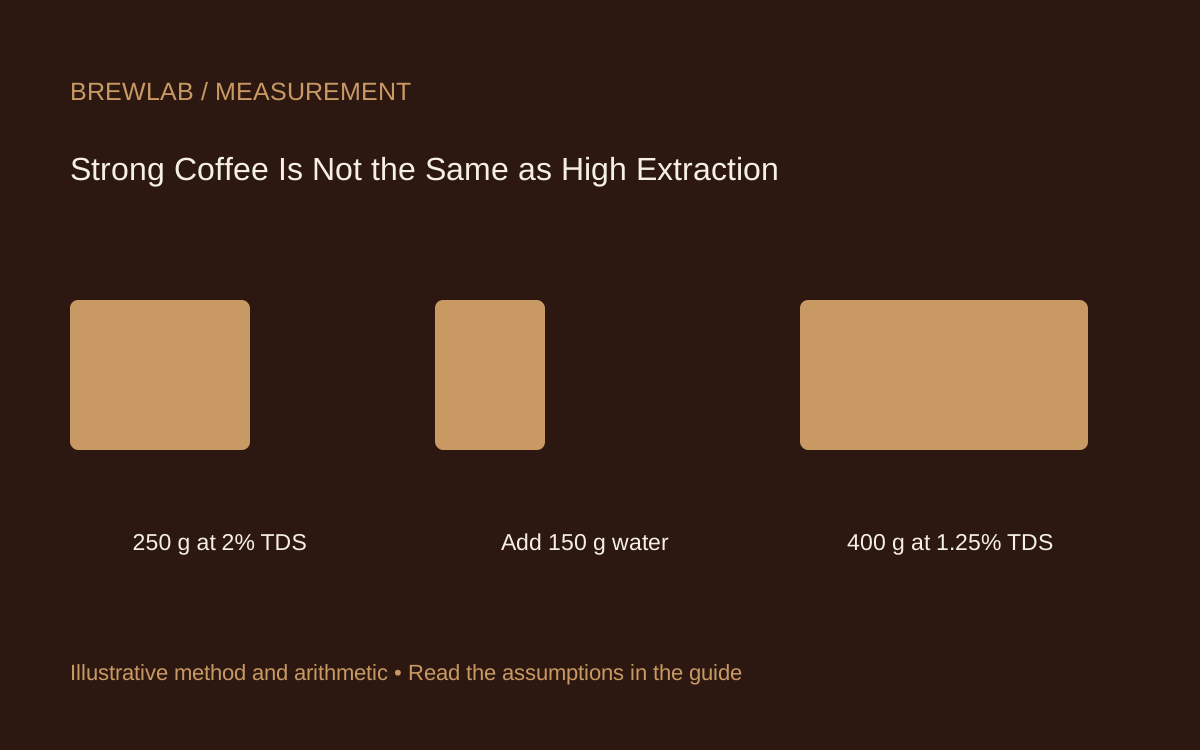
Strong Coffee Is Not the Same as High Extraction
Understand percent TDS, beverage mass and dry dose before deciding whether to dilute a cup or change the next brew.
Read article →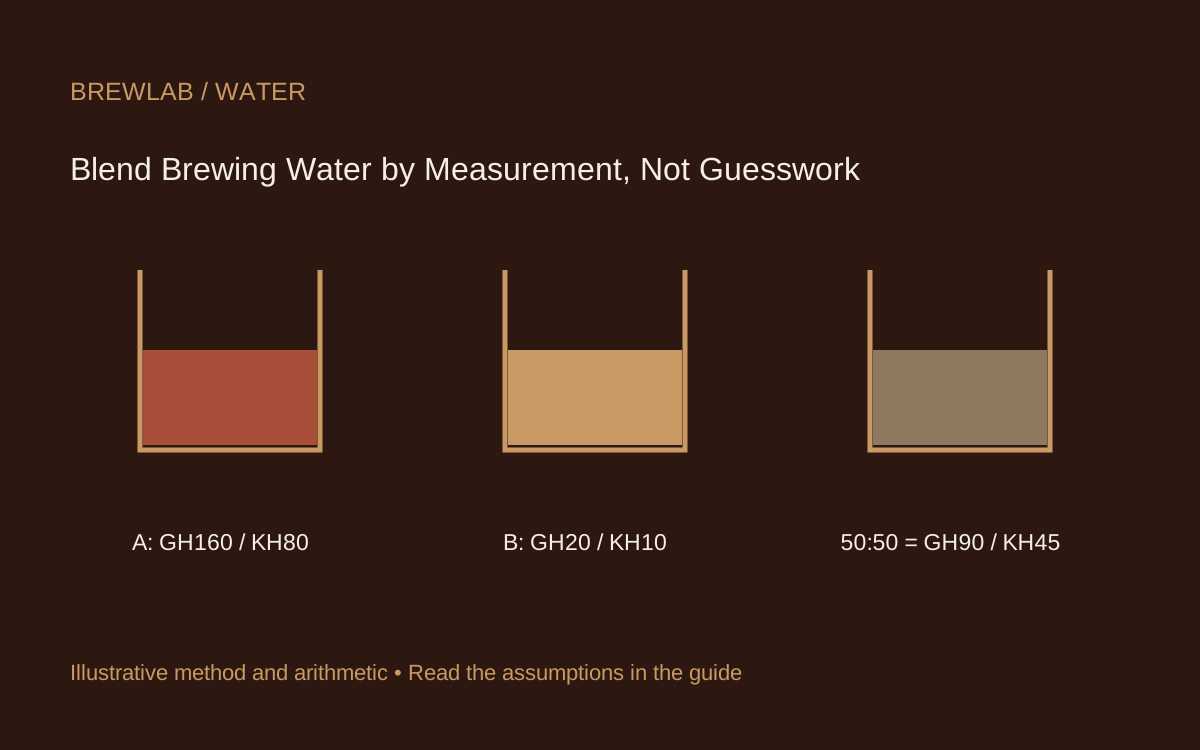
Blend Brewing Water by Measurement, Not Guesswork
Solve a two-source blend, check whether both targets are possible, and verify the water before using it in equipment.
Read article →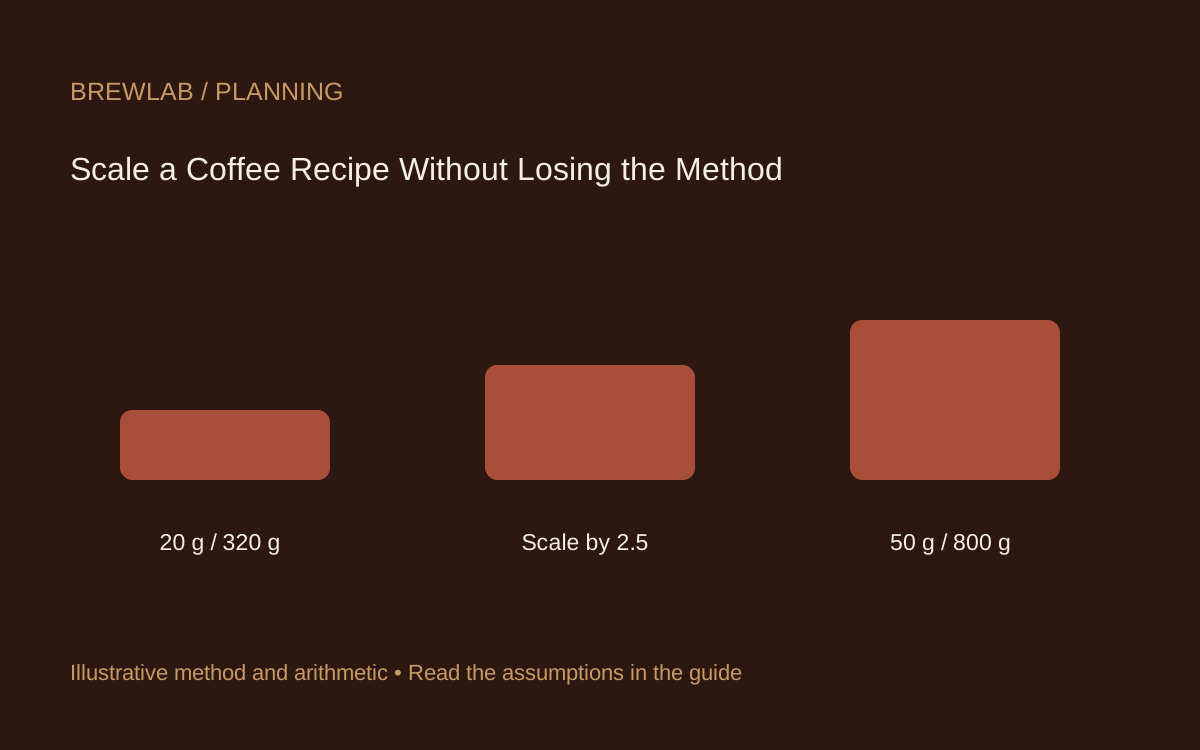
Scale a Coffee Recipe Without Losing the Method
Separate ingredient arithmetic, brewer capacity and pouring decisions when making coffee for more people.
Read article →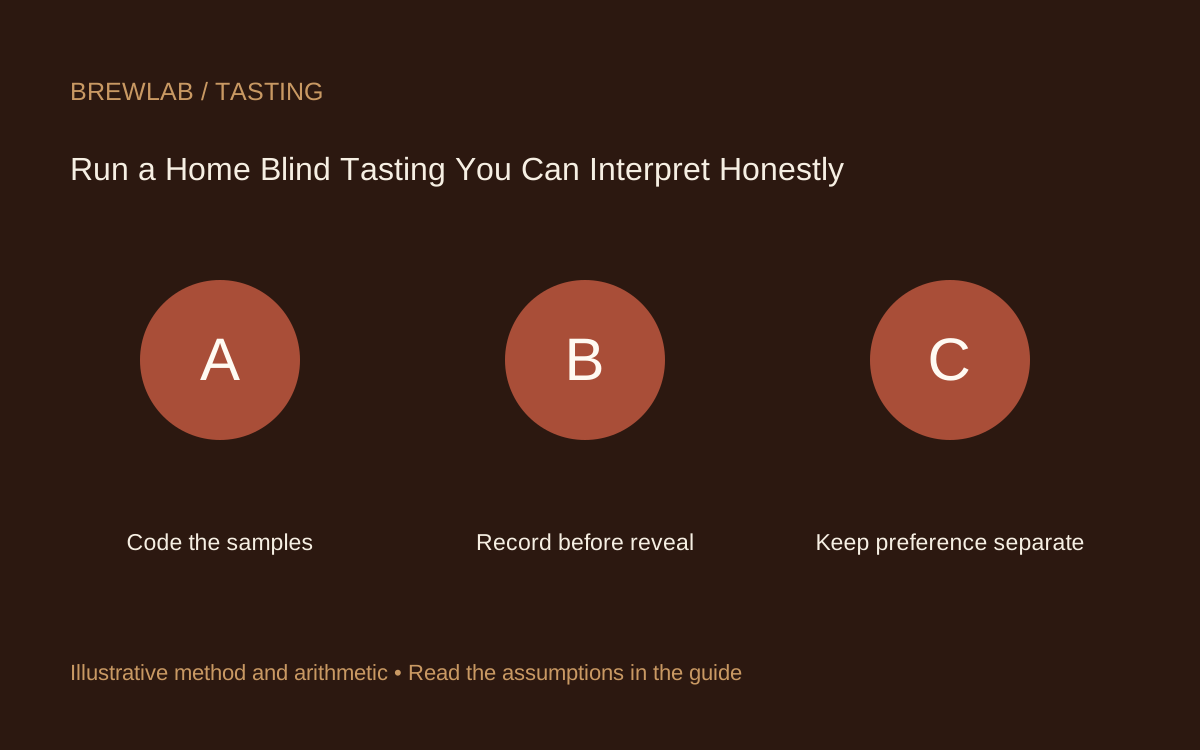
Run a Home Blind Tasting You Can Interpret Honestly
Code samples, vary presentation order and separate preference from description without pretending a small tasting is certification.
Read article →
Turn Per-Cup Coffee Cost Into a Useful Shopping Plan
Connect recipe quantities, milk, stock and routine losses without confusing a hypothetical budget with current market prices.
Read article →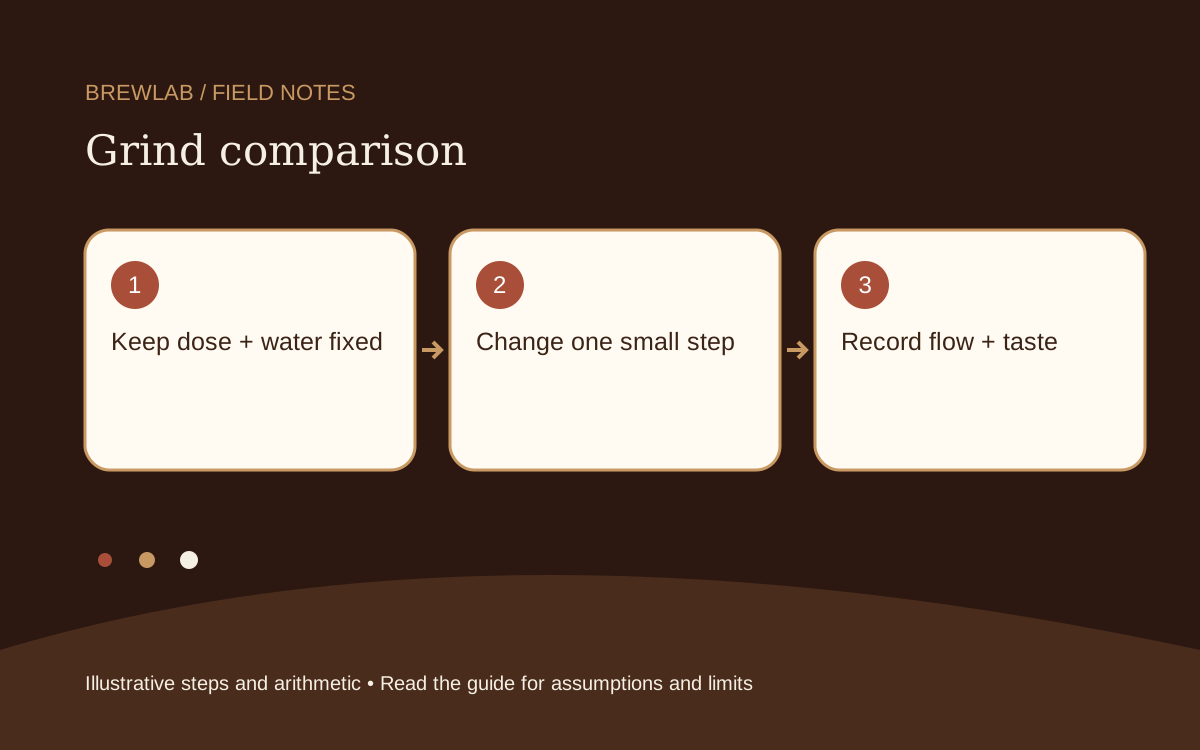
Grind Size: The Dial That Changes Everything
Why particle size controls extraction more than any other variable, and how to adjust it by taste.
Read article →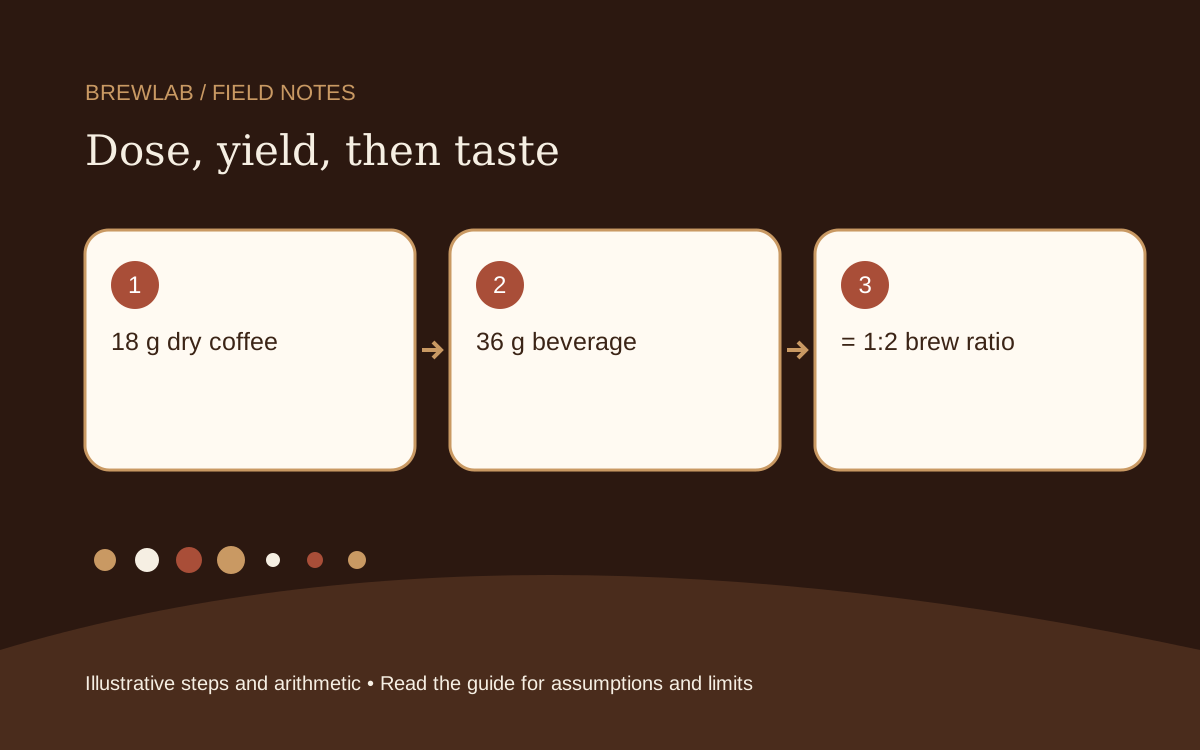
Dialling In Espresso Without Wasting Half a Bag
A repeatable three-shot routine that gets you to a balanced shot on any machine.
Read article →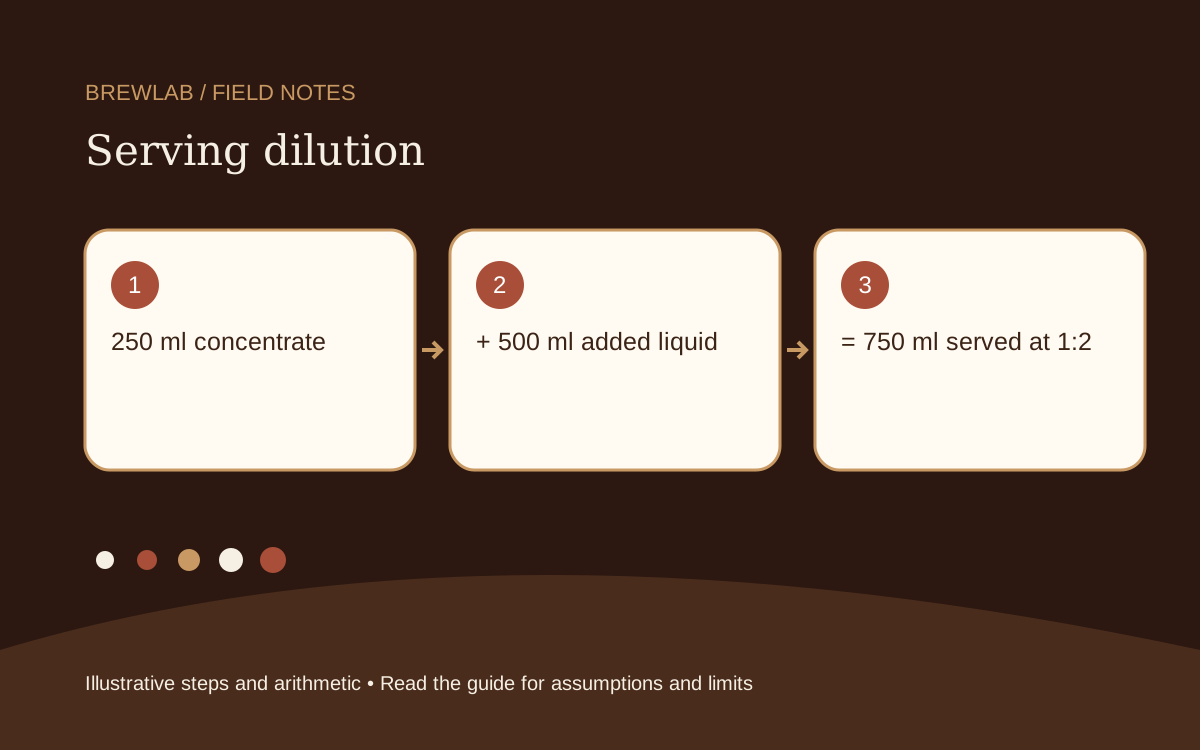
Cold Brew Concentrate: Ratios, Time and Dilution
Brew once, drink all week. The maths behind concentrate strength and how to serve it.
Read article →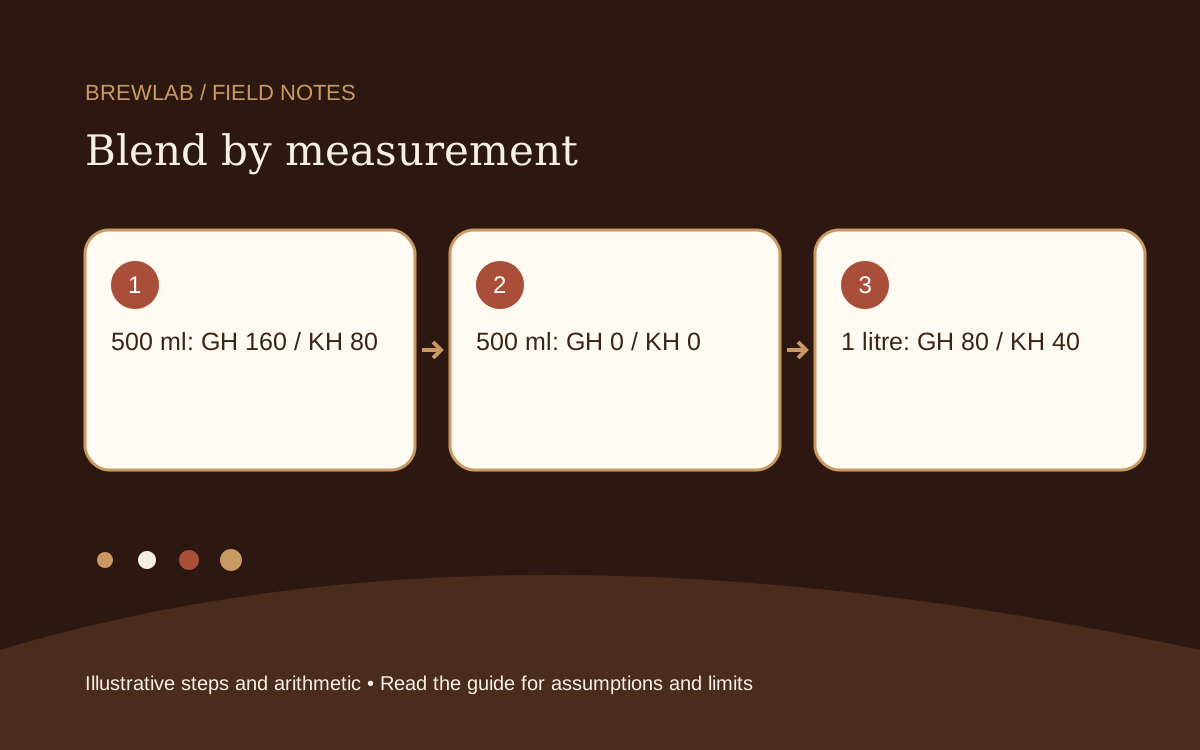
Brew Water Is 98% of Your Coffee
Hardness, alkalinity and why distilled water makes flat coffee — in plain language.
Read article →
Roast Dates, Degassing and the Real Freshness Window
When beans peak, how fast they fade, and the storage habits that actually help.
Read article →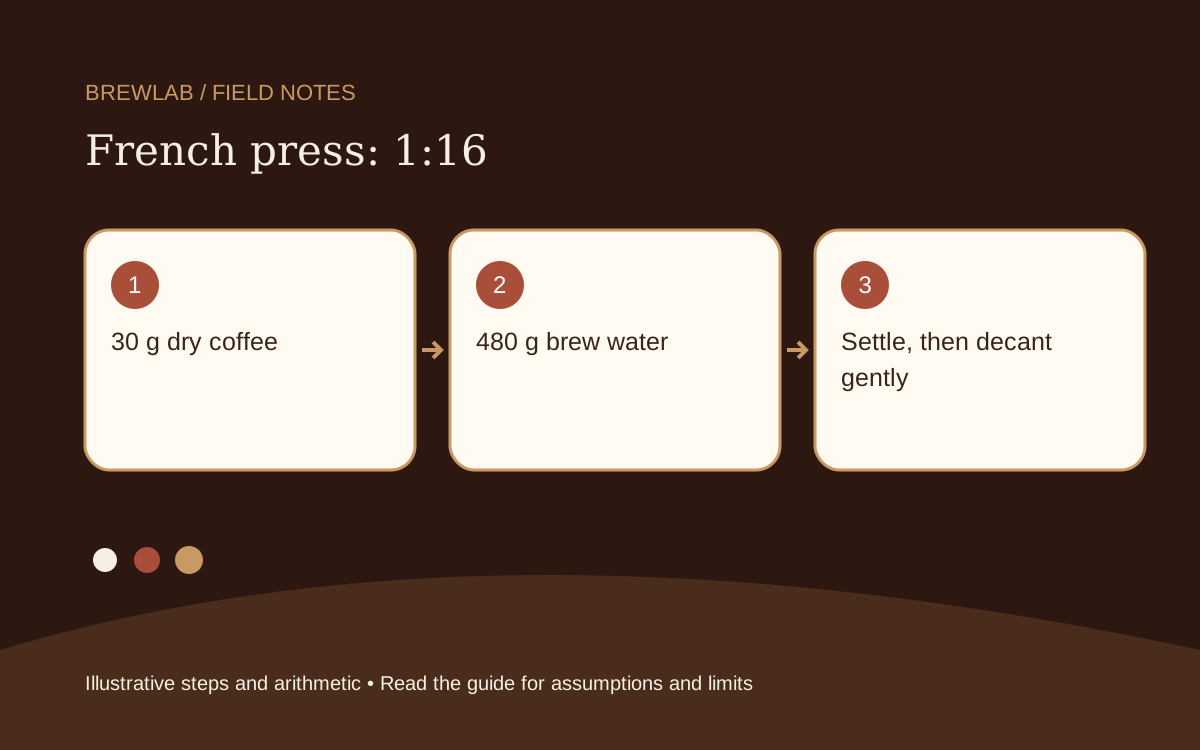
French Press Mastery: Clean Cups From a Muddy Reputation
Skim, wait, and never plunge — the method that removes silt and bitterness for good.
Read article →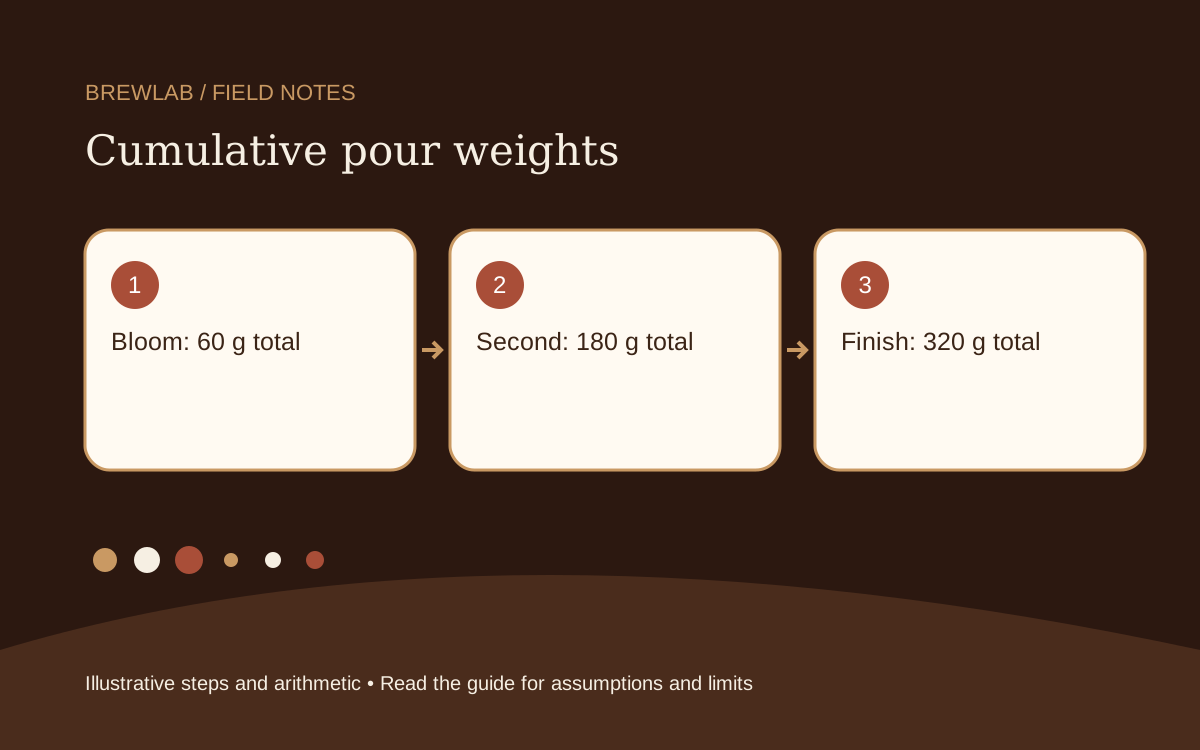
Pour Over Technique: Bloom, Pulse and the Flat Bed
A repeatable pour schedule, and how to read the spent coffee bed like a diagnostic.
Read article →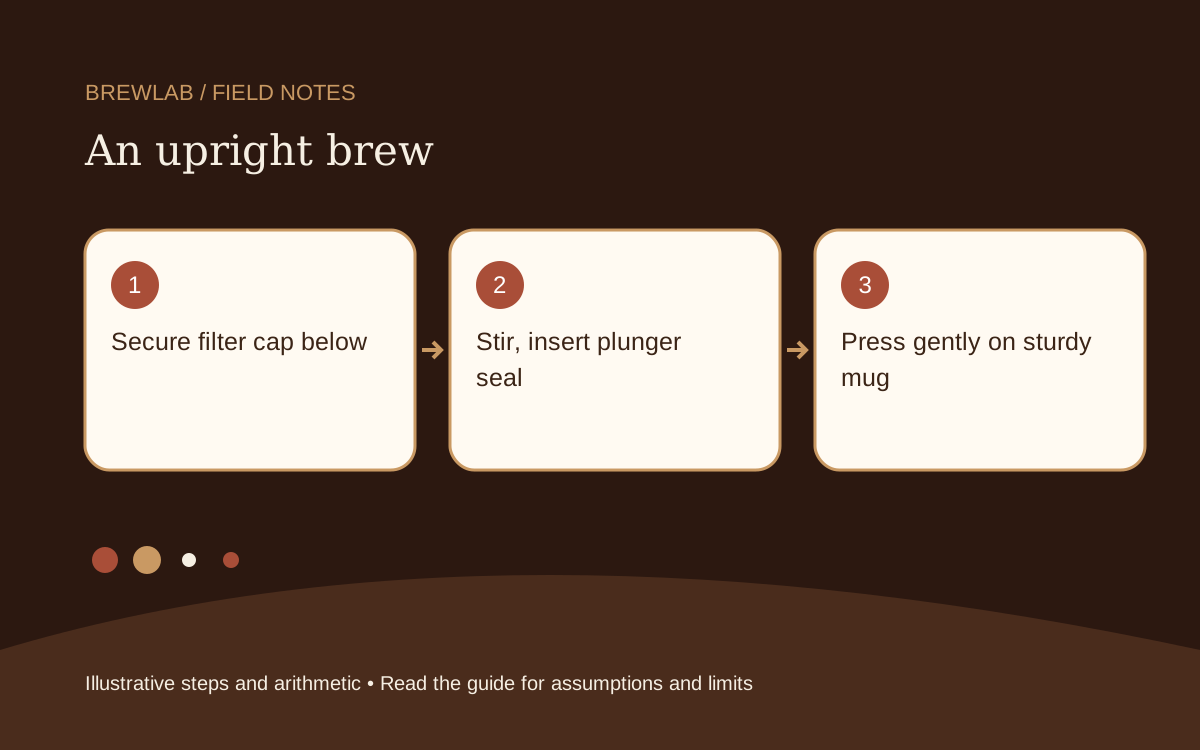
The AeroPress Handbook: Standard, Inverted and Concentrate
Three reliable recipes plus the variables that actually change the cup.
Read article →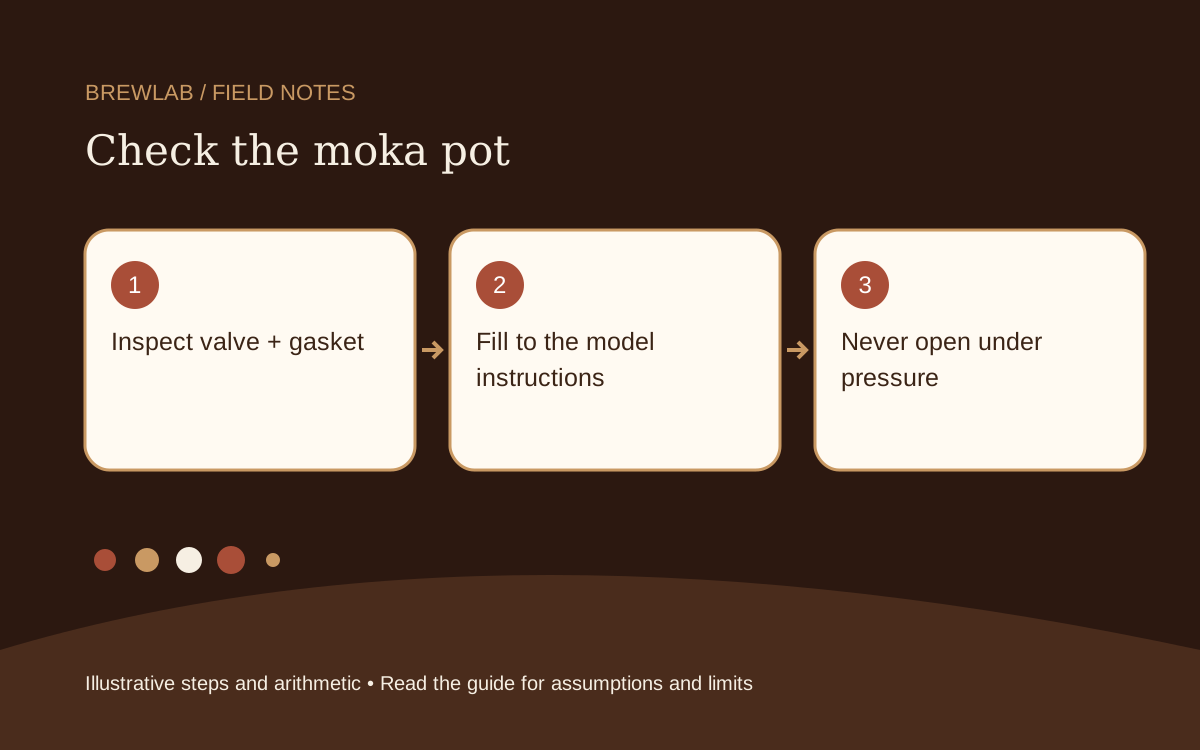
Moka Pot Without the Bitterness: Heat, Grind and Timing
Start with hot water and low heat — stovetop coffee that tastes sweet, not scorched.
Read article →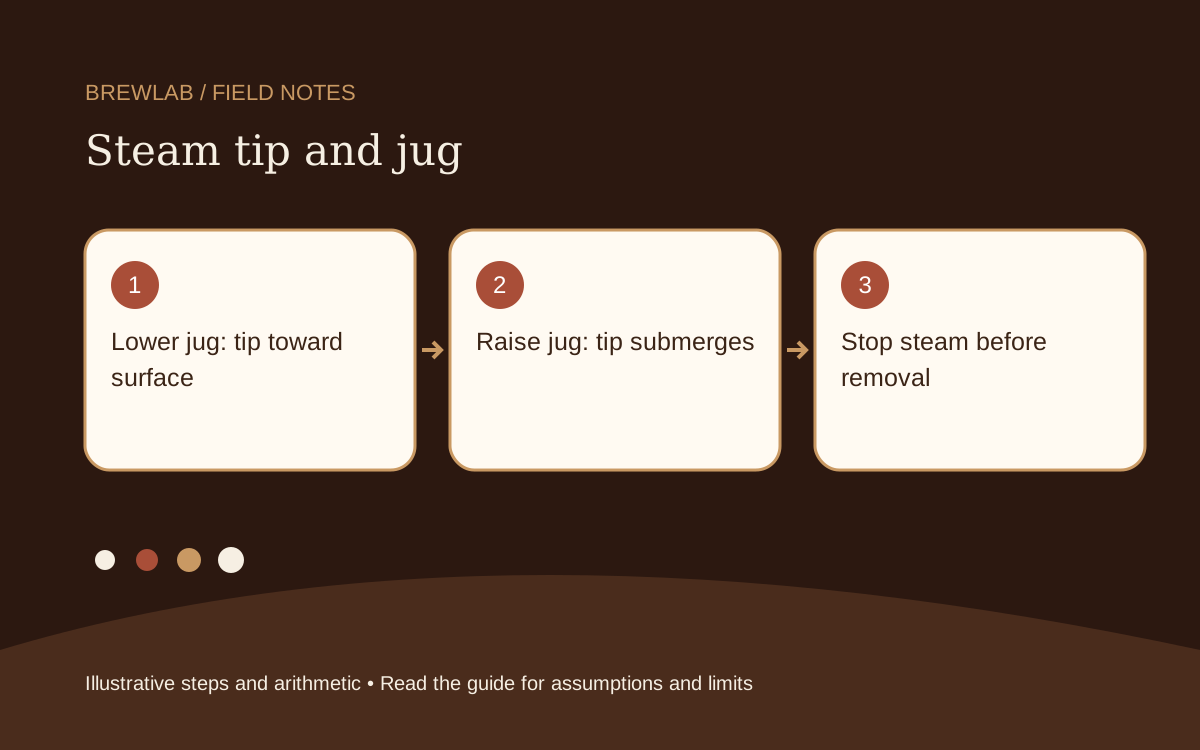
Steaming Milk at Home: Texture Before Latte Art
Stretch, roll, stop at 60 °C. Glossy microfoam is a technique, not a talent.
Read article →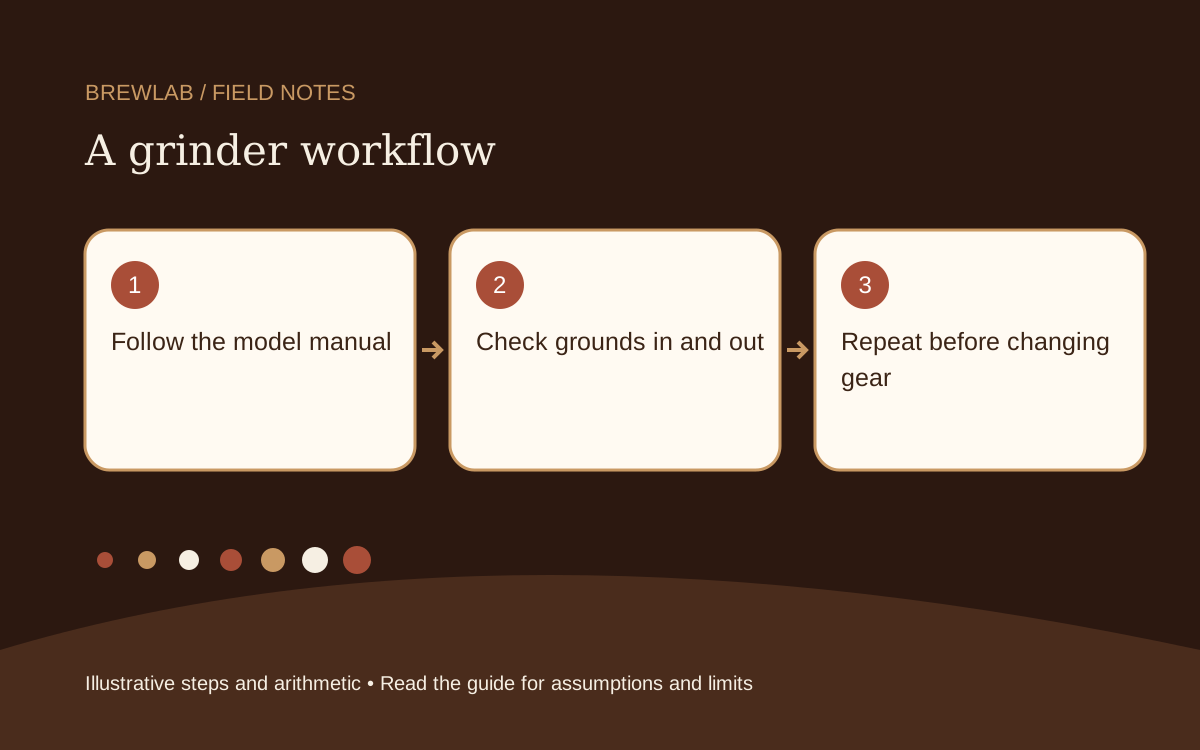
Buying a Grinder: Burr Geometry, Distribution and Real Priorities
Conical or flat, hand or electric, and what actually deserves your budget.
Read article →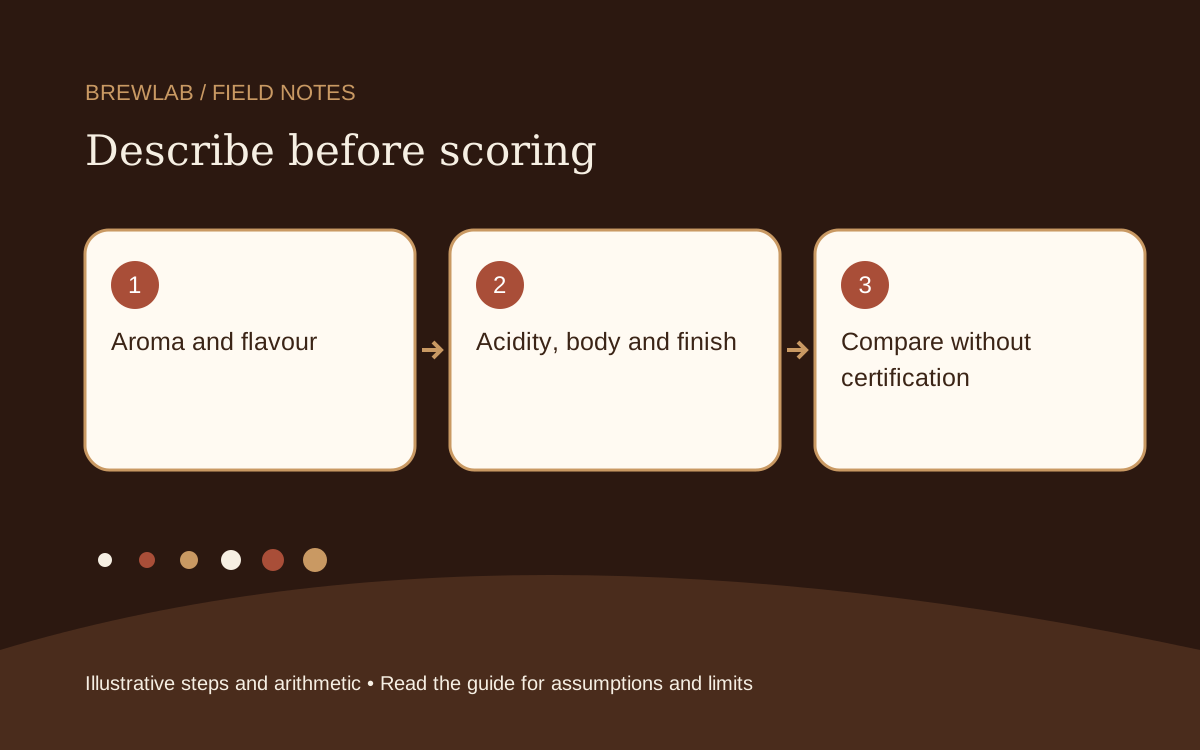
How to Cup Coffee at Home Without Any Special Equipment
The protocol professionals use to compare coffees — with bowls and spoons you own.
Read article →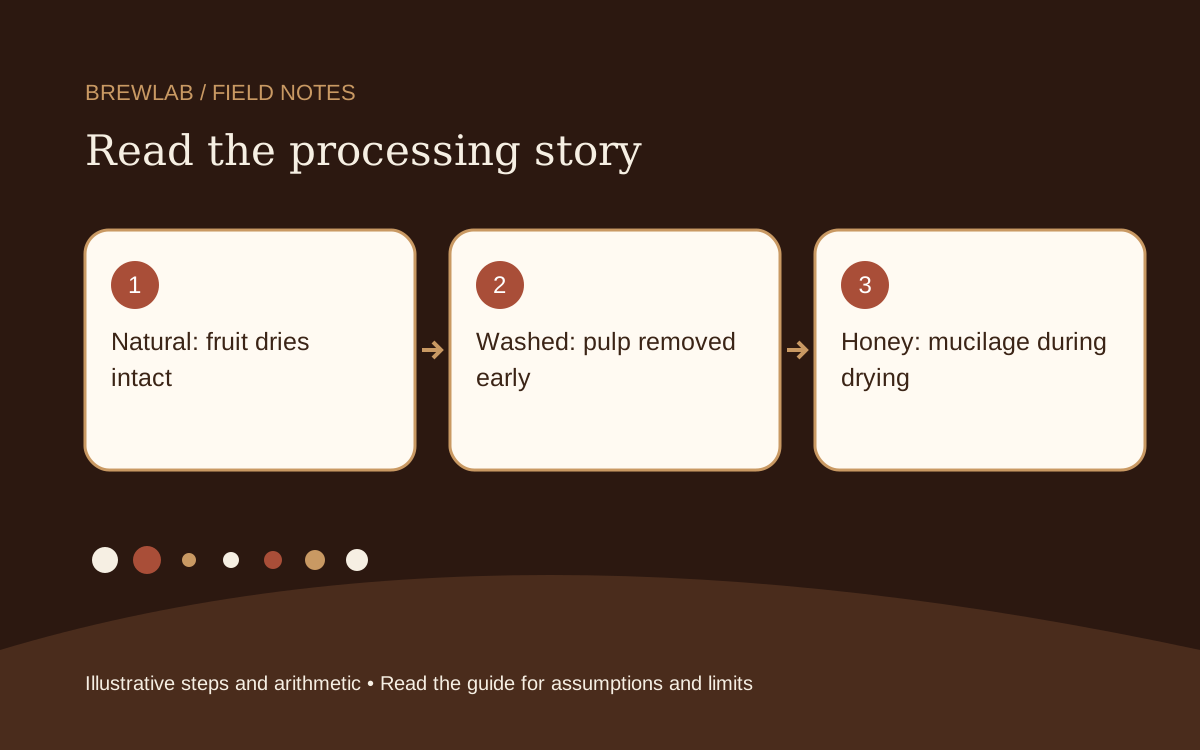
Washed, Natural and Honey: How Processing Shapes Flavour
What happens to the cherry after picking, and why it defines the cup.
Read article →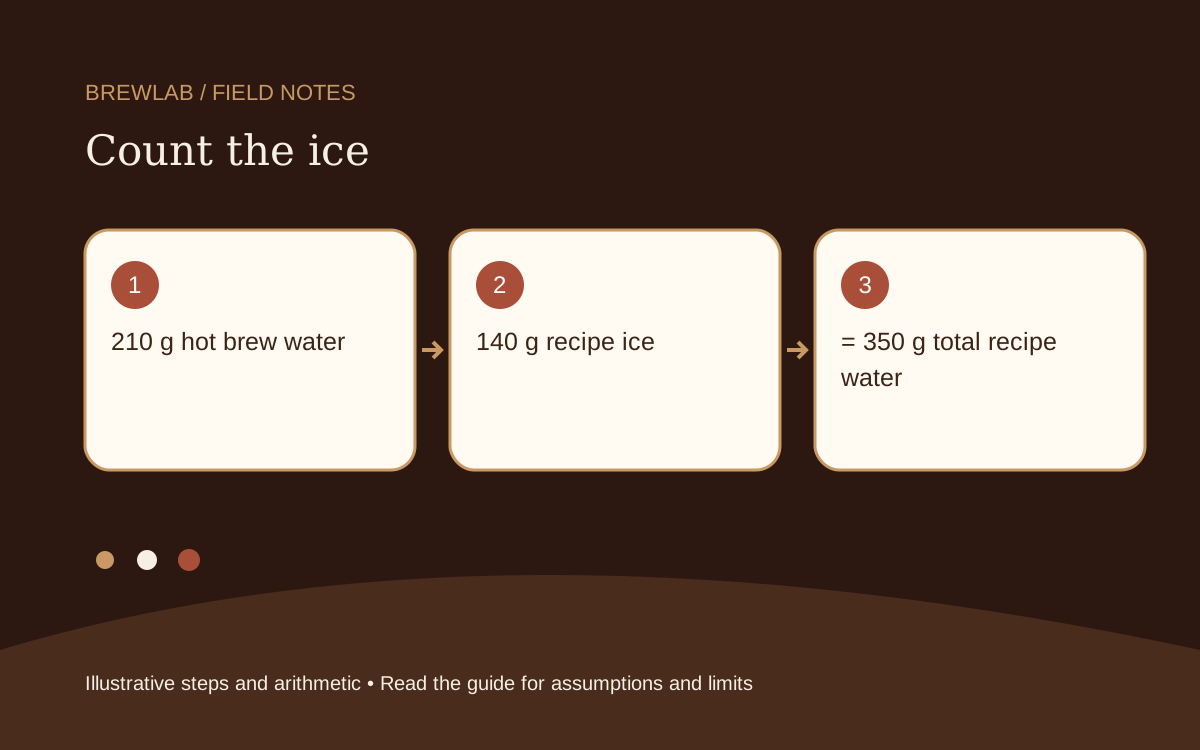
Japanese Iced Coffee: Brewing Hot Directly Onto Ice
Flash chilling keeps the aromatics that cold brew never extracts.
Read article →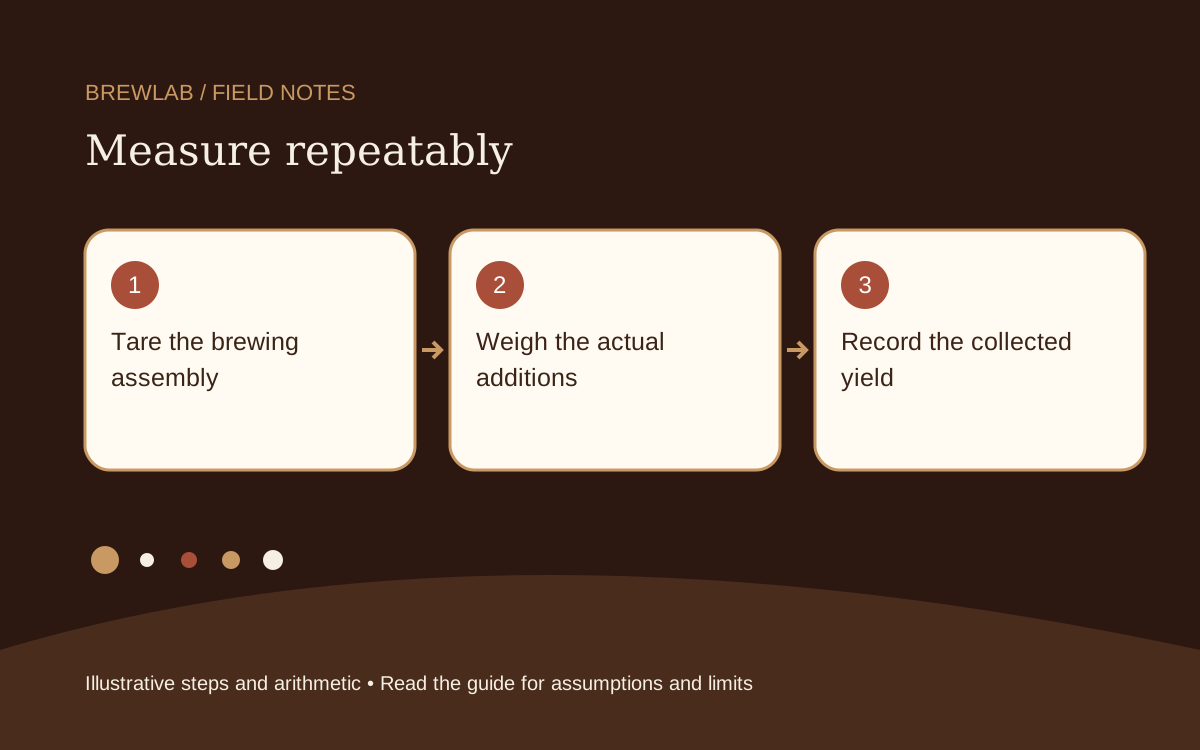
Why Weighing Your Coffee Changes Everything
Scoops lie. Ratios, extraction versus strength, and how to keep a brew log.
Read article →No articles match that search. Try a broader term such as brew, espresso or beans.